British transferware in Portugal (1780‑1920). Identity, domesticity, and relations
DOI:
https://doi.org/10.51679/ophiussa.2021.88Keywords:
transferware, commercial relations, 19th century, daily livesAbstract
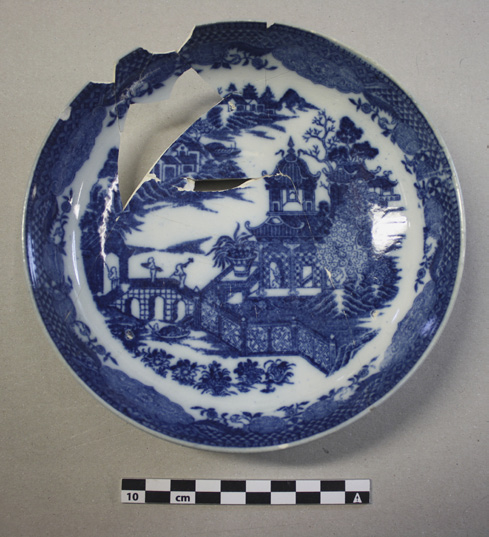
British transferware, a production that started in the mid‑18th century, starts to be recognized in Portuguese archaeological contexts around 1780. From that moment onwards its presence is constant although in different amounts, depending on the sites. This paper aims to debate the presence of this ware in Portuguese archaeological contexts and how it reflects daily life, behaviors, and ideological and semiotic uses. With that purpose in mind four archaeological sites were analysed in Lisbon, Almada and Grândola.
Downloads
Published
2021-12-15
How to Cite
Casimiro, Tânia Manuel, Inês Castro, and Tiago Silva. 2021. “British Transferware in Portugal (1780‑1920). Identity, Domesticity, and Relations”. Ophiussa. Revista Do Centro De Arqueologia Da Universidade De Lisboa 5 (December). https://doi.org/10.51679/ophiussa.2021.88.
Issue
Section
Articles